Give the first bite something to say
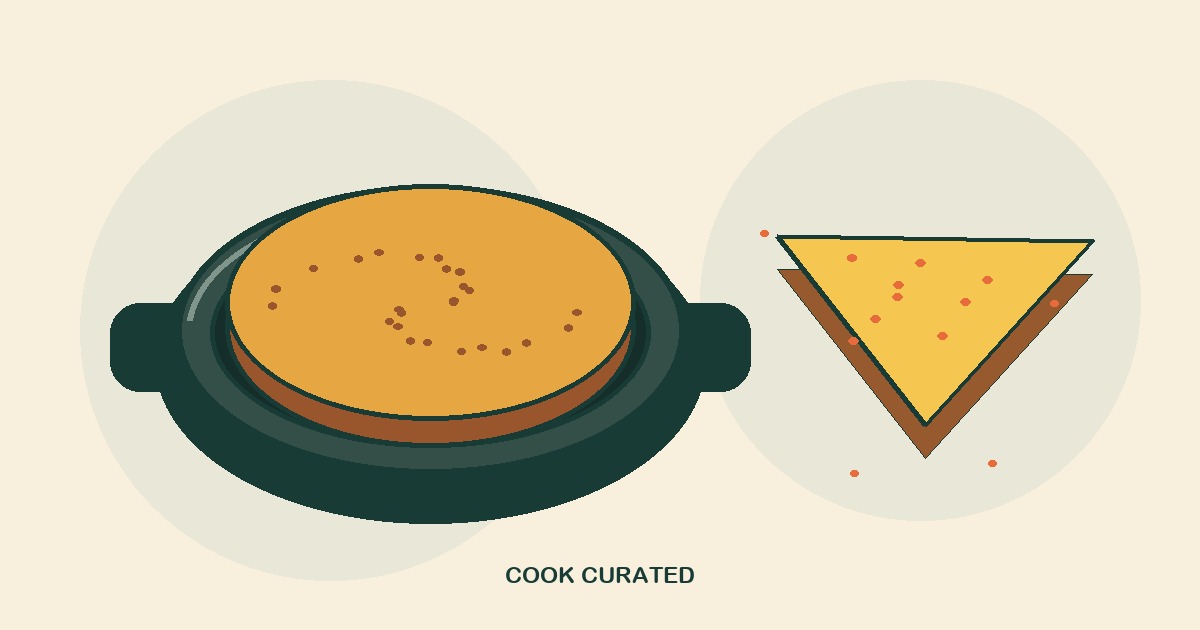
A wedge of cornbread should make you want the corner piece. In our short film, the pan and the golden crust do the talking before Gary arrives with his rather absorbent interpretation of dinner. Gary made a sponge with ambitions. Don’t be like Gary.
The useful idea is small enough to remember at the oven: get the skillet ready before you pour. Pick a recipe written for skillet baking, check its pan size, and keep its ingredient quantities together. A technique tip cannot tell you how much batter belongs in a pan you have not measured.
Follow the recipe, warm the pan
Lodge recommends preheating cast iron for cornbread so the batter meets a hot surface immediately. Its baking guidance also cautions against overmixing. Mix until combined, then keep the recipe moving; prolonged stirring is not an improvement you need to make.
Use the recipe’s oven temperature and preheating instructions, within the pan maker’s limits. A pan suitable for stovetop cooking is not automatically safe in an oven: handles and other components matter. Set out a heatproof resting place before you lift anything.
Make the hot-pan moment orderly
Put the batter, the measured fat, and dry oven mitts within reach. Carefully remove the hot skillet, add the fat as your recipe directs, then pour in the batter and return the pan to the oven. Keep your hands clear of the hot oil and remember that both loop handles stay hot after the pan leaves the oven.
- Match the recipe to the skillet’s size and approved oven use.
- Preheat according to the recipe; prepare the batter and landing spot.
- With dry mitts, carefully add the specified fat and batter.
- Bake and cool according to the complete recipe before cutting.
Choose a skillet you can carry with dinner in it
Our uncoated-cookware guide includes Lodge’s 10.25-inch Cast Iron Baker’s Skillet. Two loop handles make it compact for oven work, but they do not make a loaded iron pan light. Check your recipe’s dimensions and your grip before choosing it. This is a research-based equipment selection, not a claim that Cook Curated tested this exact pan.
If your current oven-safe skillet fits the recipe and is in good condition, start there. Make a note of the pan, recipe, and result after the first batch. A repeatable dinner is a more useful purchase test than another matching handle in the cupboard.

