Build two complete stations, not just two radios
At home, a mobile CB radio normally needs the correctly specified regulated DC supply, fuse and wiring described by its manual. It also needs a suitable CB base antenna, compatible feed line, a safe antenna location and an installation appropriate to the building. An indoor radio without an effective antenna is not the same as a home base station.
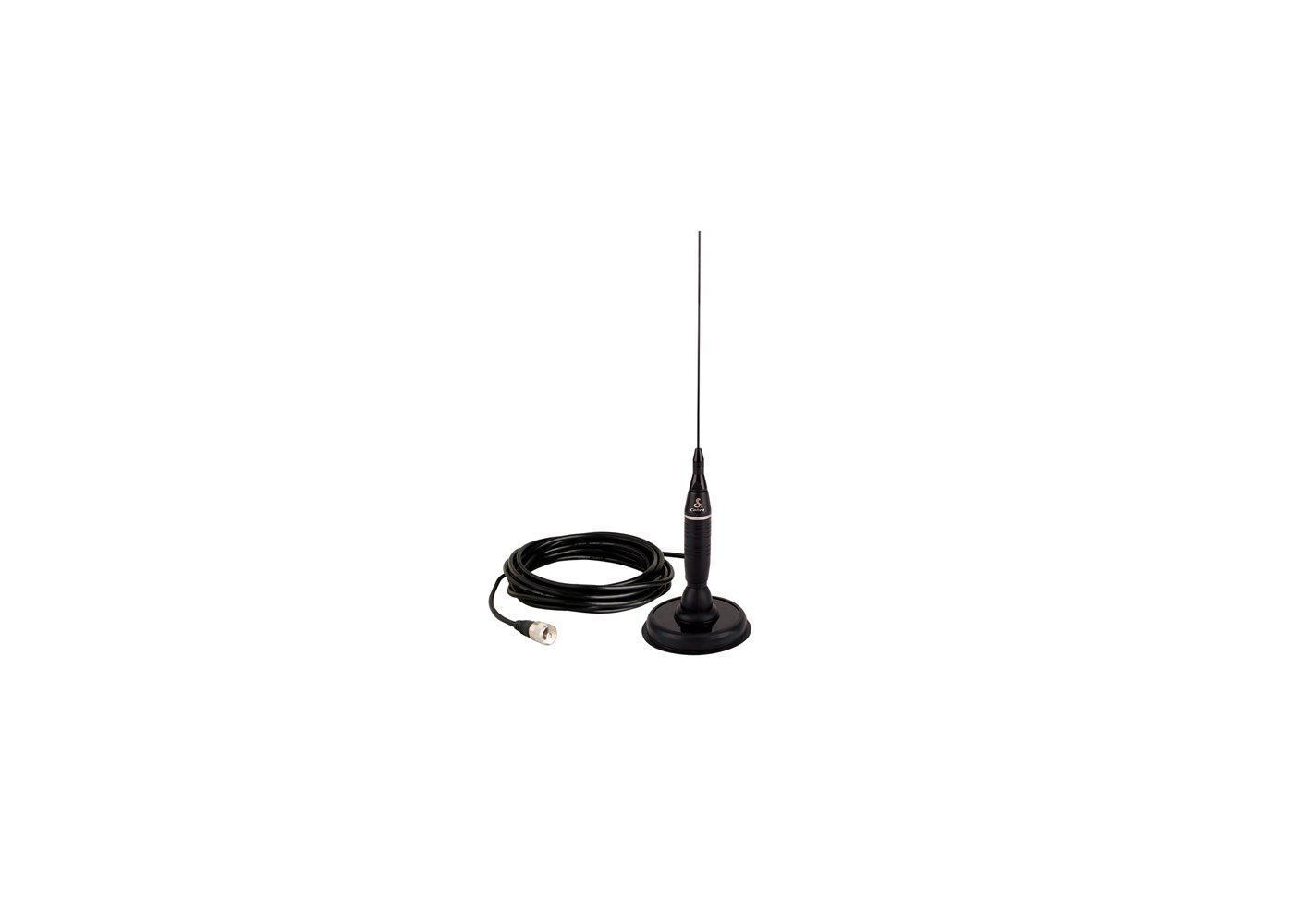
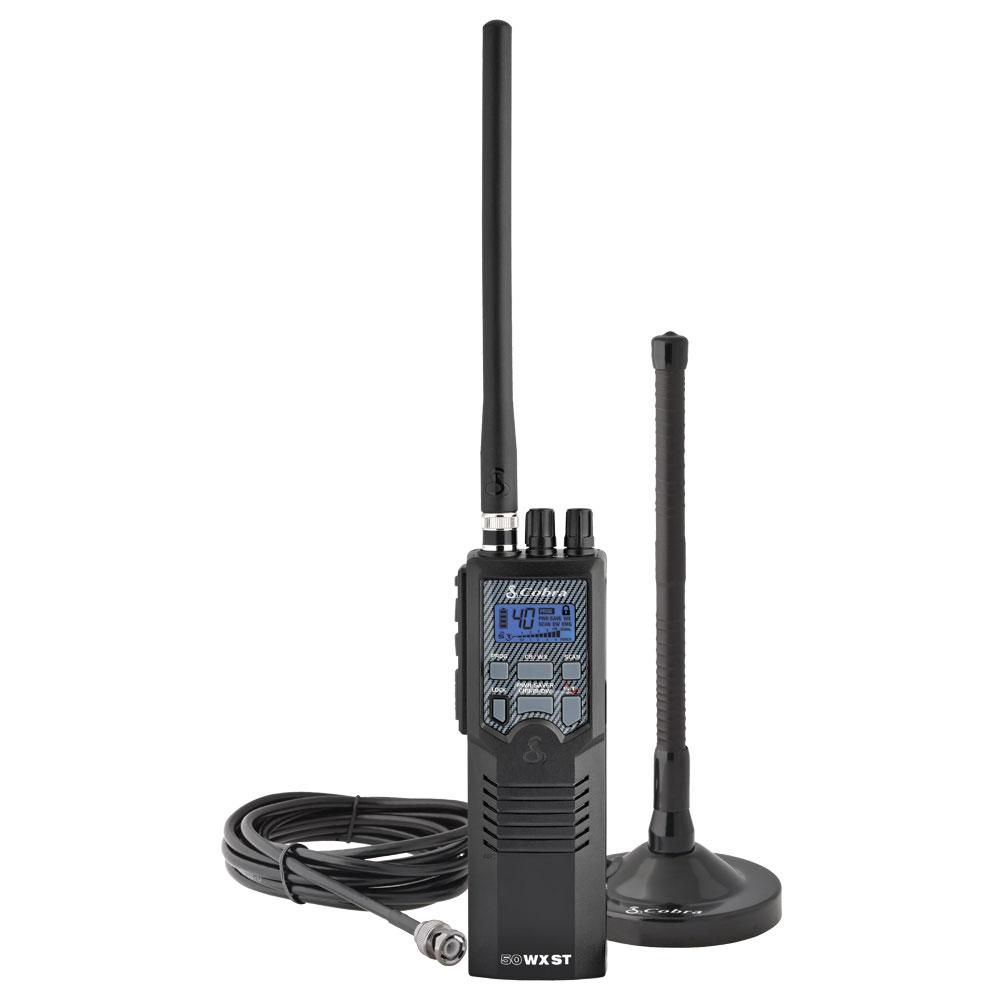
In the car, match a CB antenna and mount to the vehicle and radio. The Cobra HGA1500 is a magnetic-mount vehicle option with coax included, not an outdoor home-base antenna. Its mounting surface and antenna tuning still matter. The HH RT50 kit already includes a vehicle magnetic antenna; do not automatically buy a duplicate.
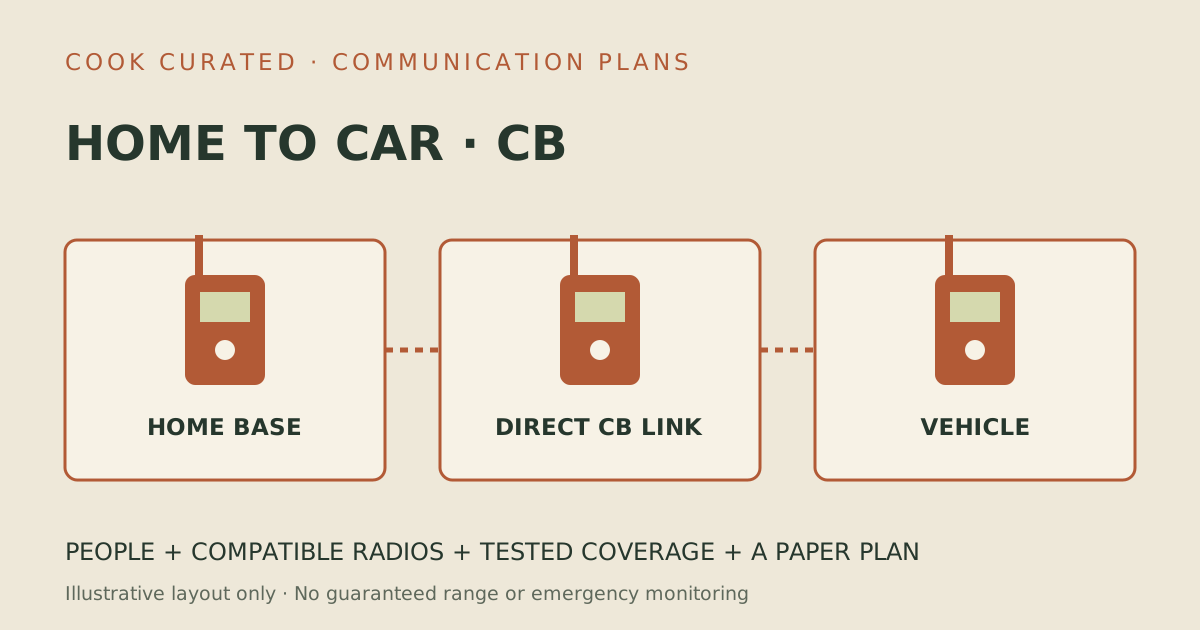
Visual setup plan
Two CB stations · one agreed mode
CB radio + base antenna + rated DC supply
↔Coverage depends on antennas, buildings and terrain
↔CB radio + vehicle antenna + fused power
Choose a common mode and read the actual manuals
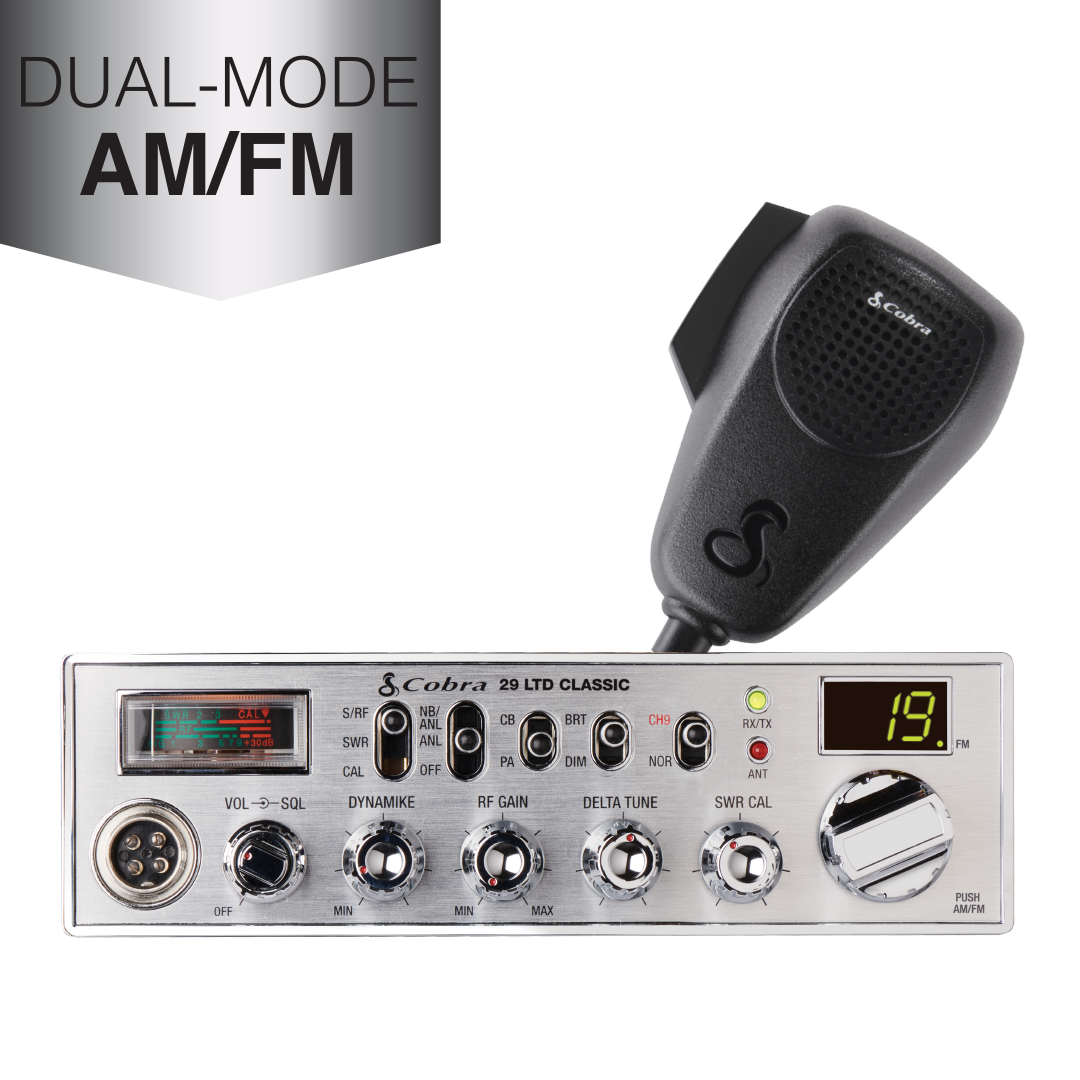
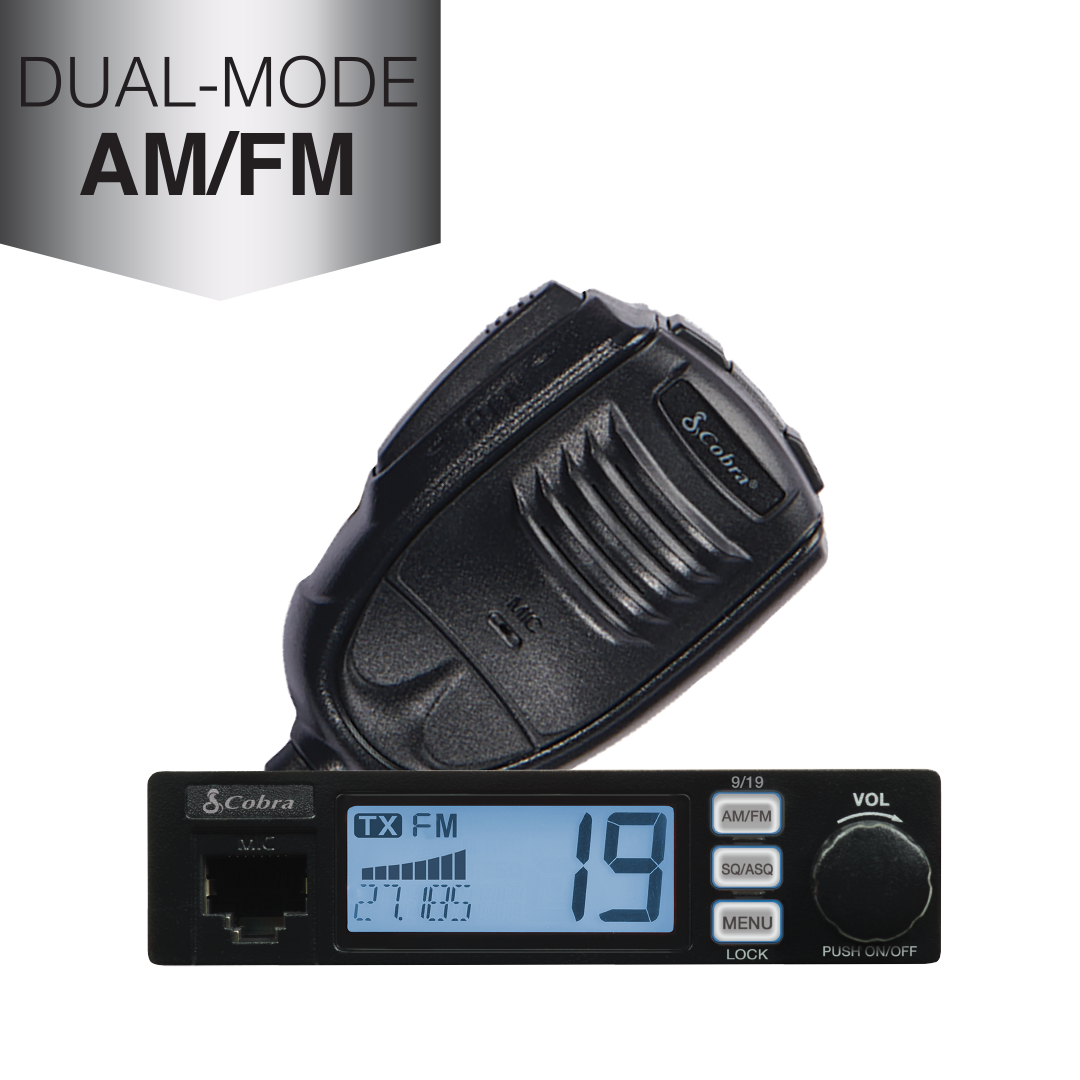
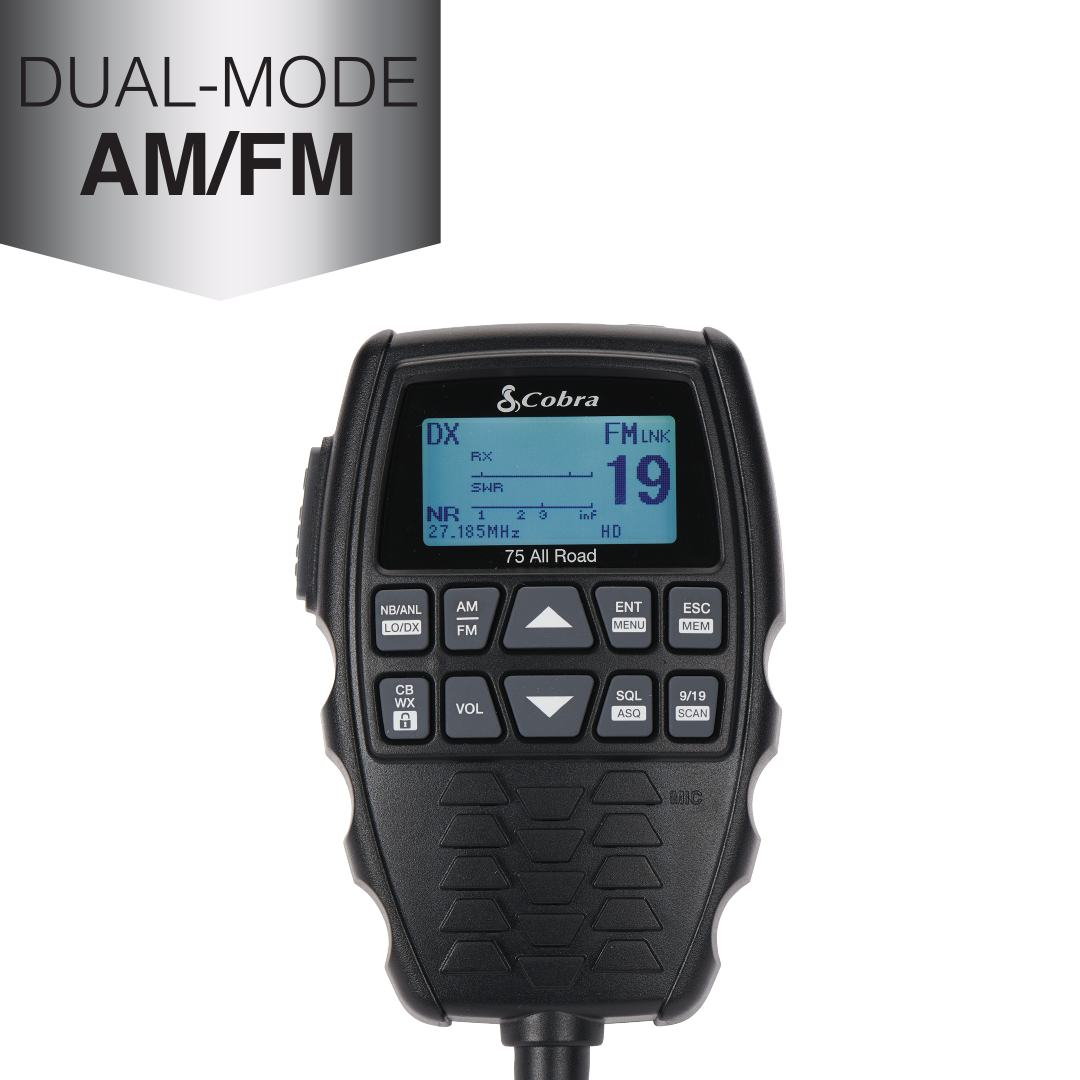
AM, FM and single-sideband are not interchangeable operating modes. The two radios must support and use the same mode and channel to understand one another. The Cobra AM/FM radios in our edit provide AM/FM options; do not assume they offer SSB. When joining an existing group, ask what its members actually use before choosing hardware.
U.S. CB operation is authorized by rule without an individual license when you follow the applicable service rules and use compliant equipment. Do not add an illegal amplifier or treat a modified amateur radio as a substitute for certified CB equipment. Channel 9 is reserved for emergency communications and traveler assistance, but this does not mean anyone will answer.
Install the antenna and power system as a system
Read the antenna and radio instructions for connectors, mounting, tuning and permitted power. For a vehicle magnet mount, confirm the required ground plane and that the surface is appropriate. Check cable routing and weather protection. Do not transmit into an absent or improperly connected antenna. Have a qualified installer handle uncertain wiring, exterior penetrations, grounding or lightning protection.
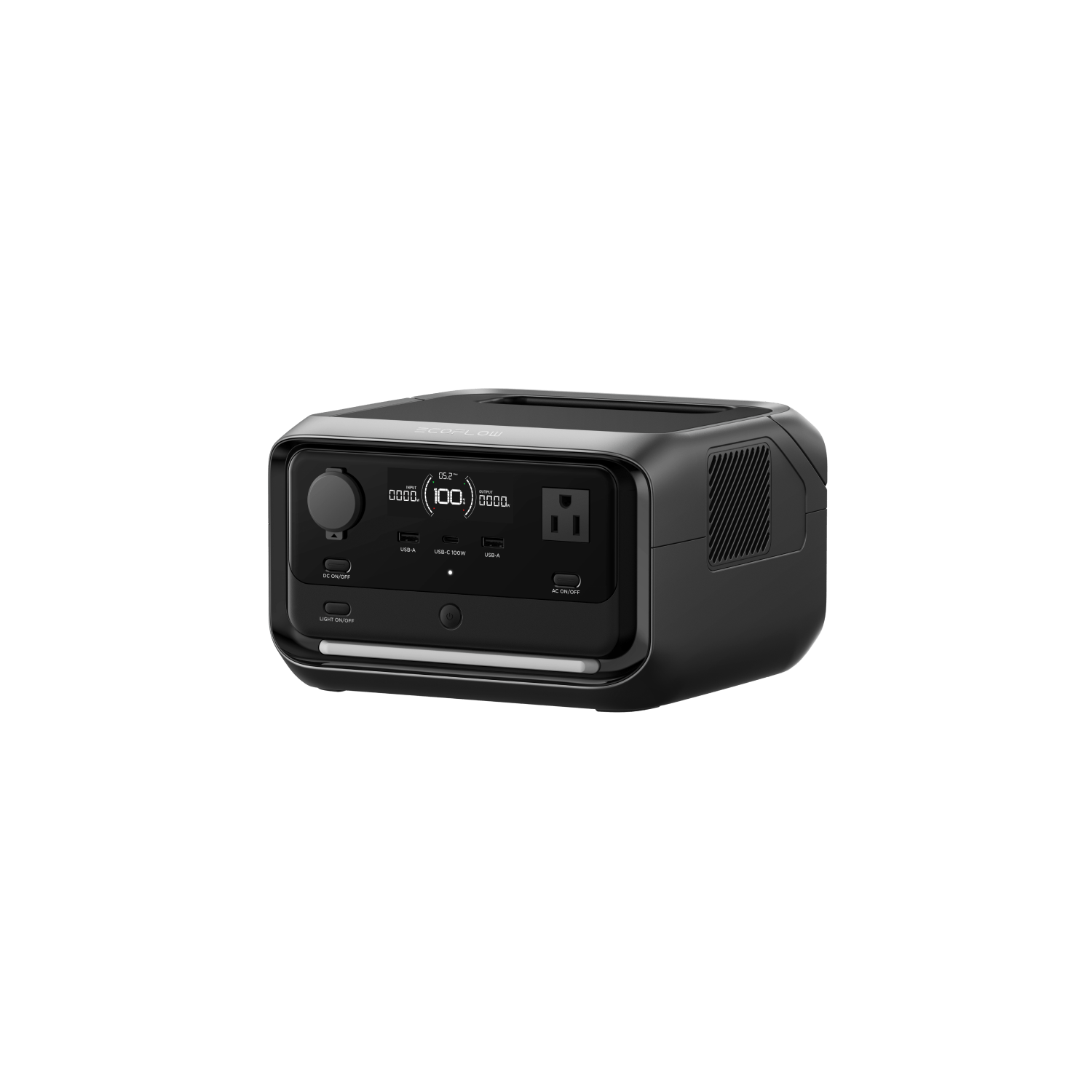
For an apartment, obtain the building approvals required for exterior equipment. Do not use a balcony railing or window position as a substitute for a specified installation. Antennas and masts must be kept clear of power lines. A backup power station should power the radio’s properly rated AC-to-DC supply unless you have independently verified a direct DC connection’s voltage, polarity, connector, fuse and current rating.
Measure backup runtime with your radio, not a guess
Record the radio and power-supply consumption during receiving and transmitting, then test the intended backup arrangement under the manufacturer’s operating conditions. Battery watt-hours are not the same as usable runtime: converter losses, standby draw and transmission time affect the result. A low-power automatic shutdown feature can also interrupt a small radio load.
Charge the backup station, check the outlet remains enabled during the planned listening windows, and store the exact cables together. A solar panel recharges a compatible battery; it does not itself become stored backup power. Test after changing the radio, supply, battery station or antenna installation.
Prove the home-to-car link before relying on it
With a passenger or safely parked driver, test along the route you actually expect to travel. Start nearby, then check the planned destinations. Record the locations where a full message and reply are intelligible. Do not confuse hearing a distant stranger once with reliable communication to your own home.
Write the primary channel and mode, check-in times, fallback channel and missed-contact plan on cards kept at both stations. Review the plan with friends and family and follow official emergency instructions. This is a local communication layer, not a replacement for official emergency calling or a guaranteed citywide network.