Draw the people before you buy the equipment
List the actual people you want to reach: a parent at home, a friend a few blocks away, someone driving the agreed route. Write down the buildings and outdoor meeting places between them. Dense walls, basements, terrain and antenna placement can turn a promising radio into a very expensive paperweight. Advertised range is not a coverage map.
The home radio is one participant, not an automatic relay. In this direct plan, each pair must be within tested radio range. If one pair cannot hear each other, record the gap and choose a different safe check-in location or a deliberately engineered repeater system. Never assume a person at home can automatically connect two other radios.
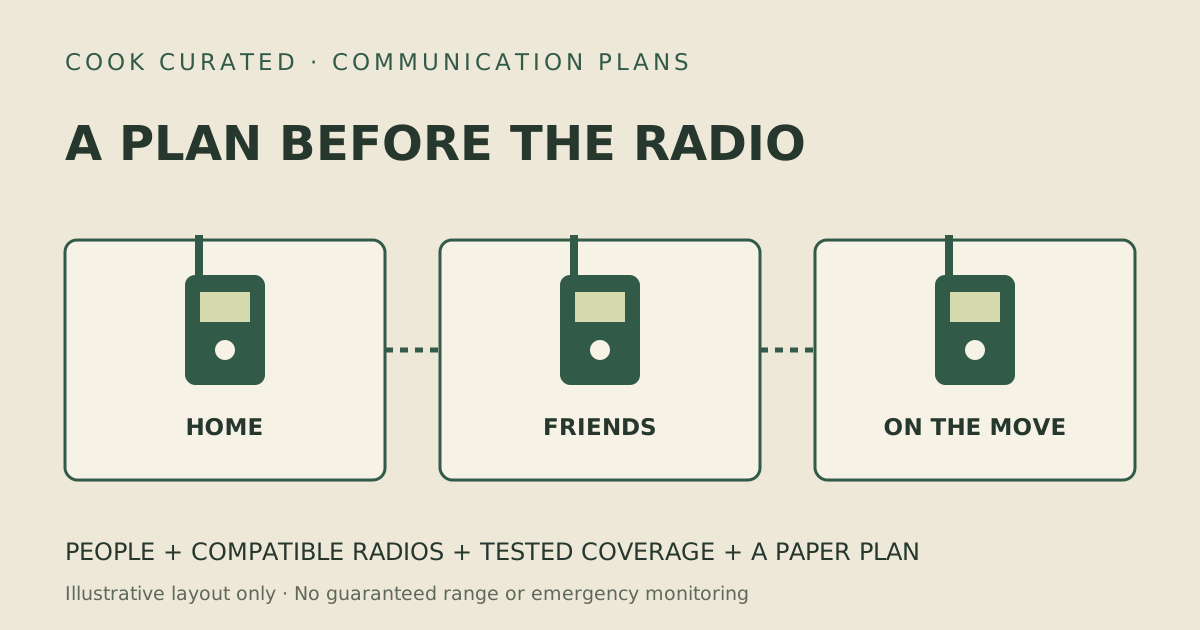
Visual setup plan
A direct check-in group
Charged radio + paper plan
↔Compatible radio + same settings
↔Tested route + safe stopping place
Choose one service and get the permission right
For nearby friends who want a simple start, certified FRS radios do not need an individual U.S. operator license when used under FRS rules. They cannot access GMRS repeaters. For GMRS equipment, arrange licenses before the drill. An individual GMRS license can cover the immediate family defined by the FCC; it is not a blanket license for unrelated friends. Each unrelated friend must have their own applicable authorization, usually their own GMRS license or coverage as an eligible immediate family member of another licensee.
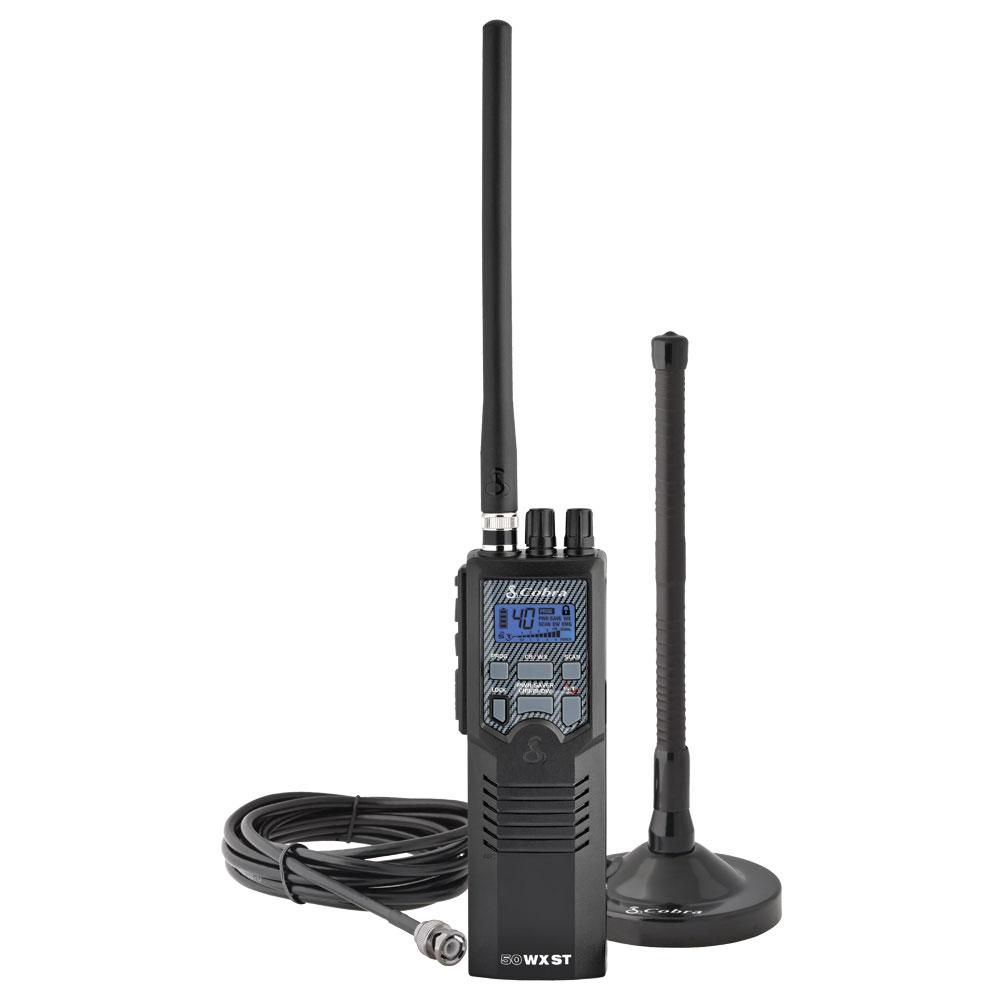
CB needs no individual U.S. license when operated under its rules. It does not communicate with FRS or GMRS. FRS and GMRS can talk on shared simplex channels with compatible settings, but using a GMRS radio still requires GMRS authorization. Choose matching modes, channel frequencies and tone settings—not merely matching numbers on different radio services.
Make one paper radio card for everyone
Keep the card with the radio and a second copy with your emergency paperwork. Fill in settings from your own equipment and the rules for the chosen service. Do not publish family movements, home access details or a private contact list online. Radio conversations are not private: so-called privacy codes filter unwanted audio; they do not encrypt the conversation.
Choose short, specific listening windows that everyone can remember. An example for a household drill is listening at 9 a.m., noon and 6 p.m. local time, for five minutes each. That is an example schedule, not a universal emergency procedure. Follow official instructions if an incident requires a different action.
Practice a ten-minute drill while the phones still work
Charge the radios, fit the correct antennas and read the quick-start controls together. Turn off tone filtering for the first test so a mismatch does not hide a working signal. Test from the actual rooms, street corners and routes in the plan. Have a passenger operate a vehicle radio or stop safely; the drill is not a reason for distracted driving.
Take turns giving a short message: who you are, where you are, whether you are safe, and what you will do next. The receiver repeats the important part. Write down dead spots, battery results and any person who could not use the controls. Fix one problem and repeat the test. A quiet monthly check and a review after moving or changing equipment are more useful than buying more watts.
Agree what silence means
If there is no reply, listen before transmitting, make a brief call, and try the pre-agreed fallback at its scheduled time. Do not spend the whole battery calling continuously or send someone into an unsafe area to improve reception. A missed radio call alone should not trigger an unplanned journey.
Use the written meeting and shelter plan, current official instructions and the conditions around you. When emergency calling is available, use the appropriate official emergency route. Consumer radio contact does not guarantee an emergency-service listener. A NOAA receiver can provide weather information, but it cannot transmit a request for help.