The shortlist
We compared published specifications and care instructions with the job each item needs to do. These are research-based assessments, not hands-on test results. Each pick links to its source; sellers show current prices and availability.
01 · A freshwater fly-fishing starting point
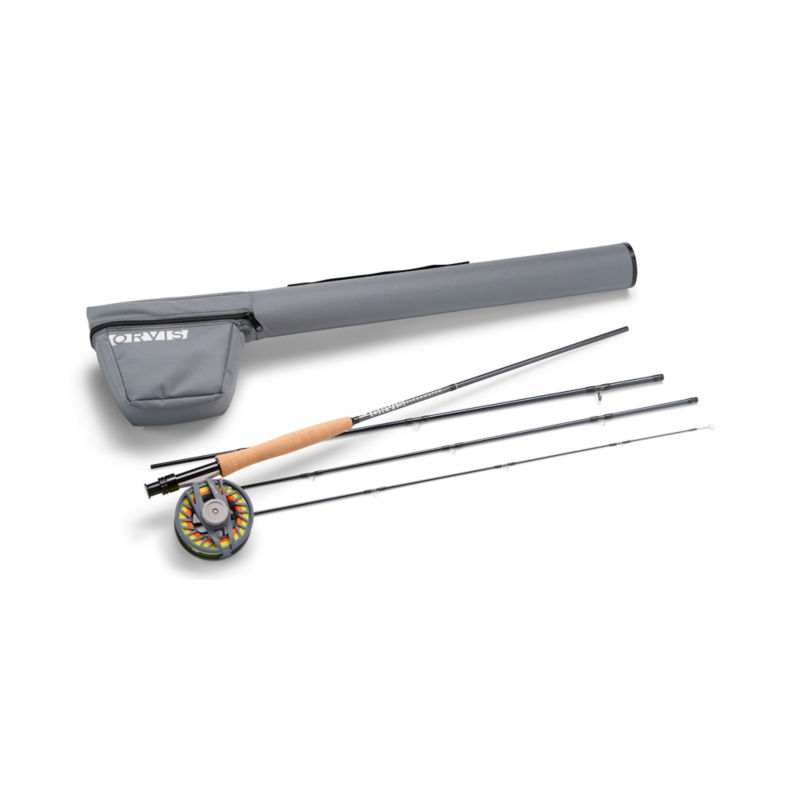
Orvis Clearwater 9-foot 5-weight outfit
An outfit is a different buying route from assembling a spinning setup. Confirm that its rod, line and intended use suit the water and species you plan to fish.
The tradeoff: A 5-weight is not a universal saltwater or heavy-fish outfit. Do not pair a fly rod with a spinning reel.
Check the exact Clearwater outfit ↗02 · A lightweight spinning-reel comparison
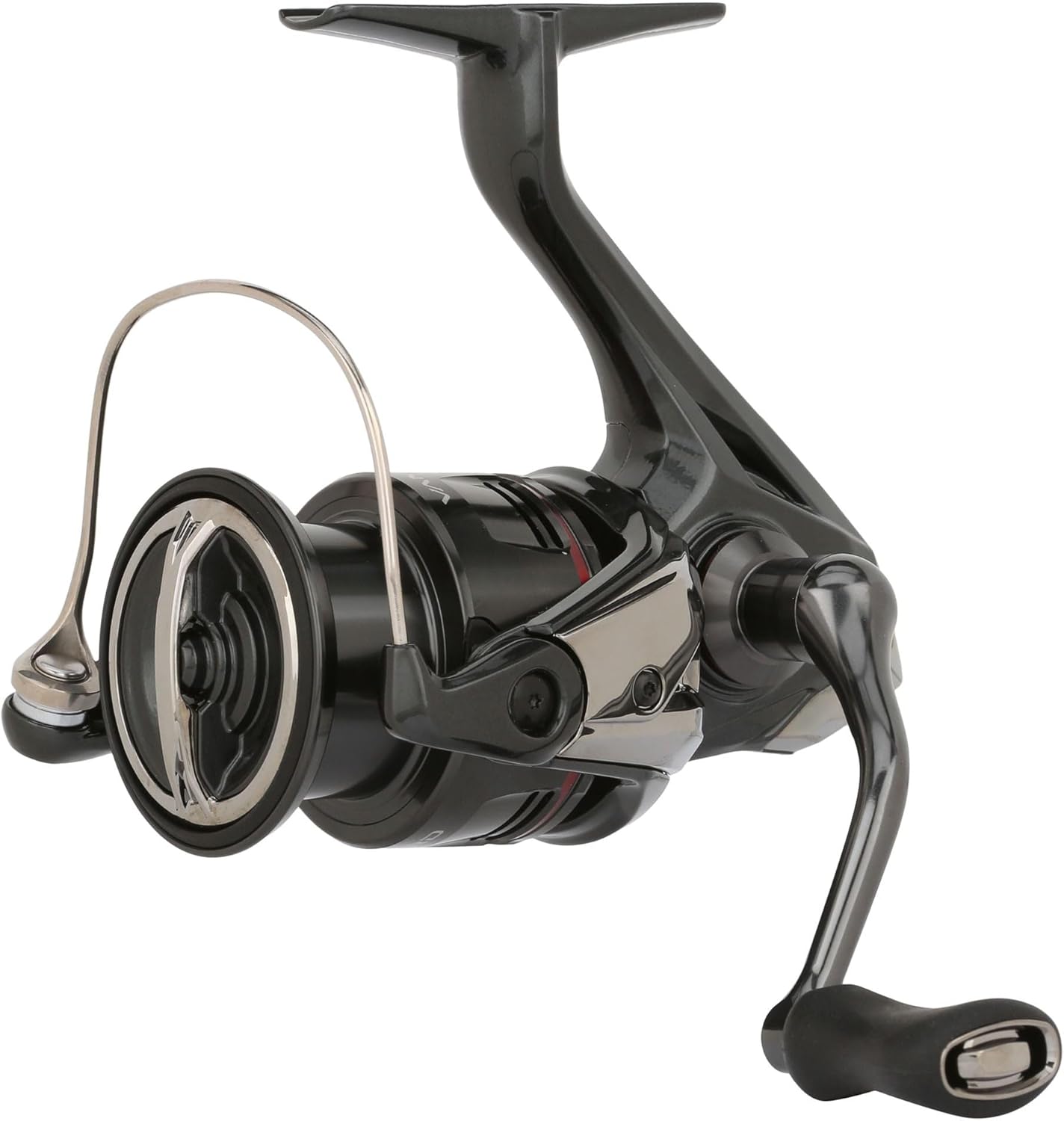
Shimano Vanford FA C3000XG
A C3000 spinning reel belongs in a compatible rod, line and lure system. Compare the exact model and retrieve with your fishing plan.
The tradeoff: Reel only: a suitable rod, line and terminal tackle are separate. Follow saltwater care instructions where applicable.
See the exact Shimano reel ↗03 · A saltwater-oriented spinning-reel comparison
PENN Slammer IV 4500
The 4500 gives a different size and handling choice from the Shimano C3000. Balance it on the intended rod before deciding.
The tradeoff: Reel only; match rod ratings, line capacity and target species. It is not automatically better because it is larger.
See the PENN 4500 specification ↗Begin with regulations and identification
Carry the current license, species rules, size and possession limits, closures, and local consumption advisories. Regulations can change by water, season, method, and species. A field guide supports identification, but the responsible angler checks the managing agency before keeping a fish.
Pack the ice before the tackle
Plan how a kept fish will be dispatched, bled where appropriate, protected from contamination, and chilled quickly. A cooler needs enough ice, drainage control, cleanable surfaces, and capacity for the actual catch. Shade is not refrigeration.
Choose knives by the work
Match the knife to the stage of the work. A compact corrosion-resistant field knife handles line, bait, and general camp jobs. Filleting calls for suitable blade length, flex, and grip, plus a stable clean surface. Leave the chef knife for portioning and cooking at the kitchen end. There’s enough going on without making one blade audition for every job.
Bring the loose tackle home
Organize terminal tackle so damaged line, hooks, leaders, and soft plastics return home. A small rigid sharps container protects hands and wildlife. Repairable pliers, a dependable measuring tool, and a restrained lure selection are usually more valuable than an overflowing box.
There may be more than two fillets
Field-to-table books can extend the catch beyond two fillets: collars, frames, skin, trim, roe, and bones may have culinary value when the species, condition, and local health guidance allow. Clean work, temperature control, and species-specific knowledge come before ambition.
Choose the water before the reel
A fly outfit, a lightweight spinning setup and a larger saltwater spinning setup solve different casting and line-handling jobs. Begin with the water, target species, lure or fly, and the local method you will actually use. Ask a knowledgeable local shop or guide to check the complete system when you are unsure. The three picks above are alternatives to compare, not parts of one matching bundle.
Keep a dry layer and a clean return plan
Rainwear protects the person doing the work. A separate dry layer, protected notes and a bag you can close properly help keep an ordinary wet day manageable. If you are keeping a fish, prepare the permitted handling and cold-storage system before leaving; tackle does not replace ice, clean surfaces or the local consumption advisory.